


Grow Carrots with Terreplenish Organic Soil Treatment: A Practical Guide
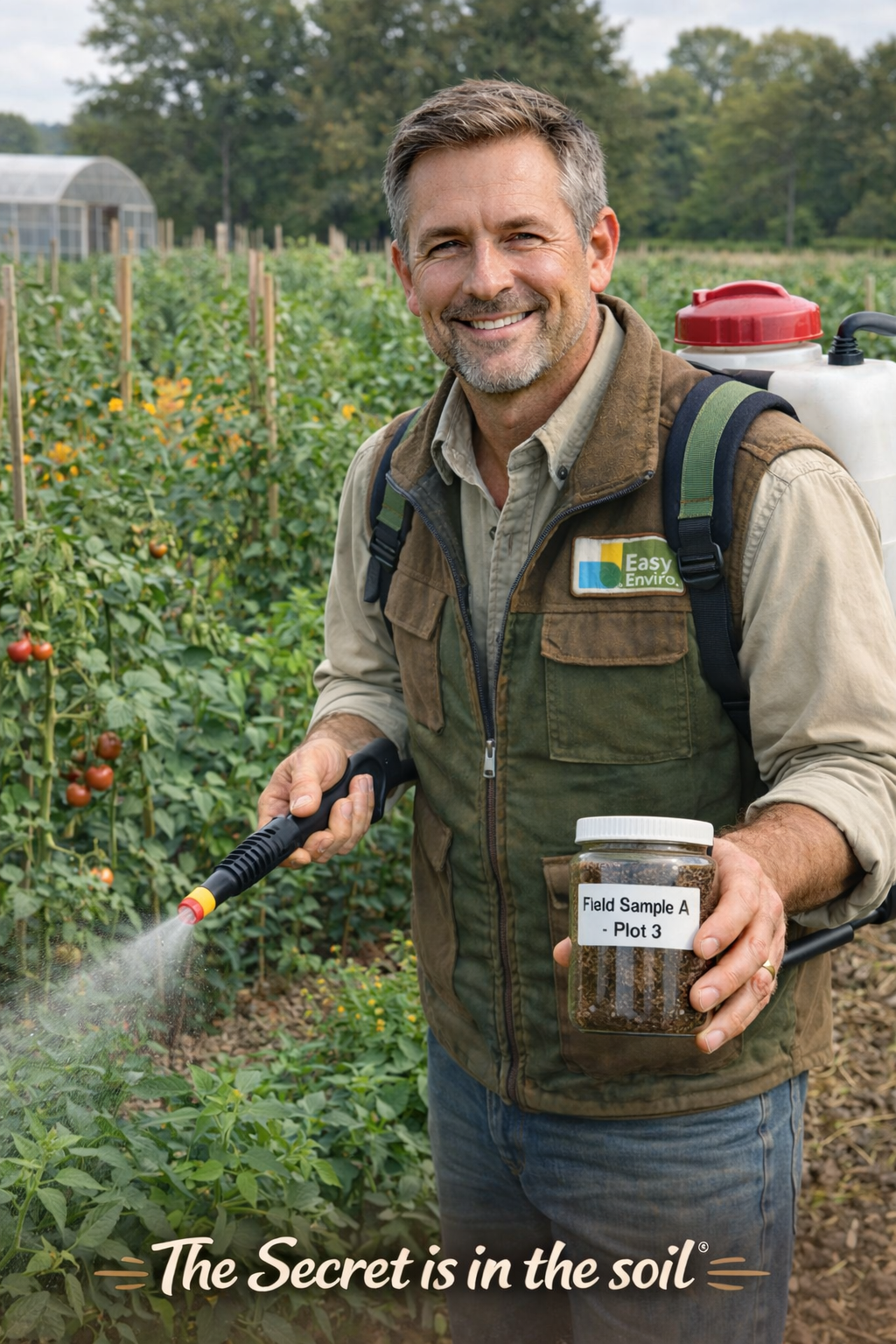
Daucus carota subsp. sativus (carrot) is a cool-season classic with a surprisingly deep history and a taproot that rewards great soil structure. Here’s how to get crisp, straight roots and where Terreplenish soil microbes can support your carrot beds.

Carrots, by the book (and by the root)
Scientific name: Daucus carota subsp. sativus
Carrots weren’t always orange. Wild carrot relatives are native to Eurasia, and the domesticated carrot is widely traced to Central Asia around ~1000 CE long before breeders selected for today’s sweet, uniform roots. Even cooler: archaeological evidence suggests early humans used carrot seeds medicinally before the edible root became the main attraction. Fun fact: the “standard” orange carrot is a relatively modern favorite compared with older purple/yellow types.
If you’re growing carrots now, whether in backyard raised beds or on acreage, the same truth applies: carrots don’t tolerate clods, compaction, or erratic moisture. The good news? A few soil-first moves can make your harvest look like it came from the farmers market.
Where carrots grow best in the U.S. and when to plant
Carrots are grown across the country, but large-scale production is led by California by a wide margin, with Washington and Wisconsin also reporting significant acreage in recent USDA summaries.
For home gardens and diversified farms, think of carrots as a cool-season crop:
Best growth temps: carrots grow best when temps don’t exceed ~75°F; heat can reduce quality and cause off-flavors.
Germination: sow once soils reach about 40°F; seeds germinate best around 55-65°F and often take 14-21 days to emerge.
Typical planting windows (most regions):
Spring crop: sow as soon as soil is workable and warming
Fall crop: sow in late summer for fall harvest (often the sweetest roots)
Mild-winter regions: carrots can overwinter under mulch and be harvested as needed
Pro tip: Carrots are “always grown from seed” they dislike transplanting because anything that disturbs the taproot can fork or deform the final root.
Best soil for straight carrots
If you want carrots that are long, smooth, and easy to wash, your soil prep matters more than almost anything else.
University extension guidance is refreshingly consistent:
Aim for neutral to slightly acidic pH (about 6–7)
“Light sandy loam” is ideal, and heavier soils can work if well-drained and not compacted
The “forked carrot” checklist
Most forked, stubby, or twisted carrots trace back to one of these:
Rocks, sticks, or clods in the top 10–12 inches
Fresh, hot manure (too “spicy” and uneven)
Compaction layers (even a shallow one)
Letting the seedbed dry out during germination
Practical bed recipe (raised beds or in-ground rows):
Loosen deep (broadfork, digging fork, or ripper)
Screen out rocks if needed
Add mature compost (not fresh manure)
Rake to a fine, level seedbed
How Terreplenish fits a carrot plan (without overcomplicating it)
Here’s the simple idea: carrots love stable moisture, good tilth, and active biology around the root zone. Terreplenish is positioned as a living, biological soil amendment containing nitrogen-fixing and phosphate-solubilizing microbes (including Azotobacter vinelandii and Bacillus subtilis) intended to support nutrient cycling and root-zone performance.
A note on safety and mixing (important)
Because it’s a living microbial product:
Dilute at least 1:25 (Terreplenish:water) for applications to living plants
Apply within 6 hours after mixing with water
Do not tank-mix with insecticides, fungicides, nematicides, or oils/soaps/salts
That compatibility point matters for carrots because many growers reach for “just-in-case” sprays; if you’re using Terreplenish, keep it in its own clean tank (or watering can).
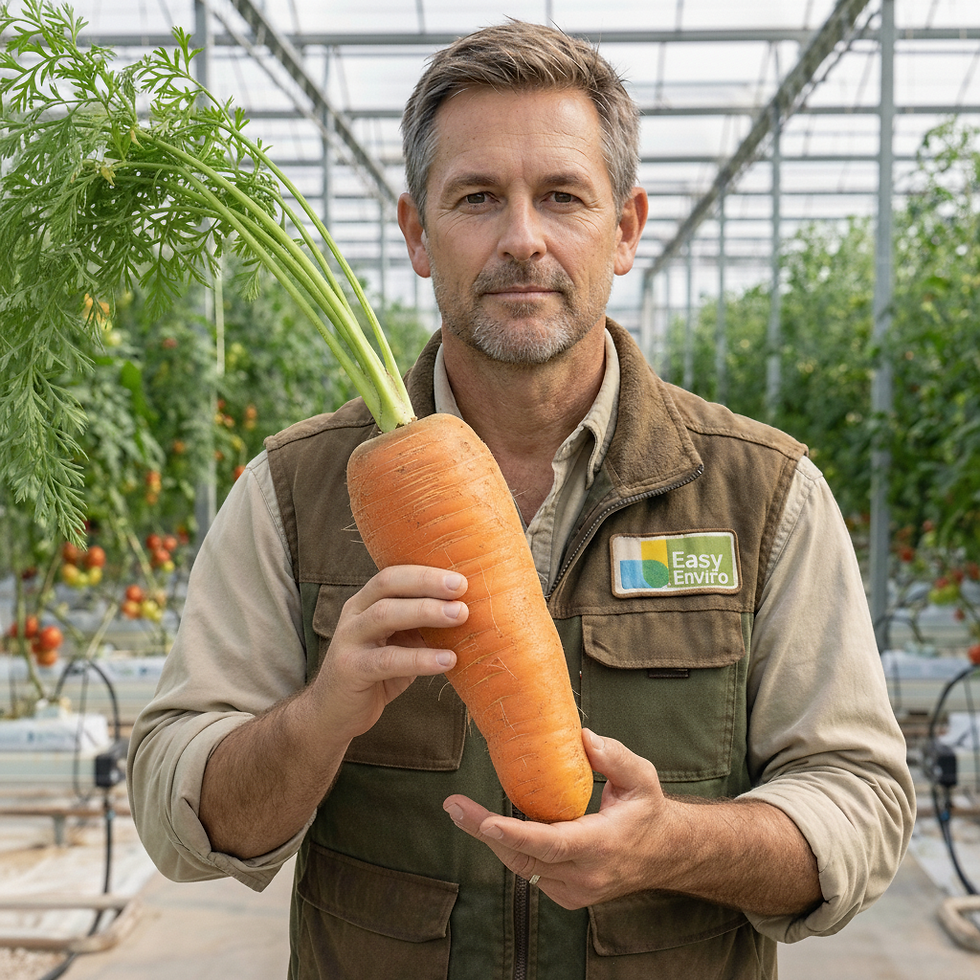
How to grow carrots with Terreplenish (timing + methods)
To grow carrots with Terreplenish, focus on soil applications, carrots are listed among cool-season vegetables where soil-applied use is emphasized, and foliar benefits are generally less central for this crop group.
Step 1 - Pre-plant (best ROI for carrots)
Carrot seed is slow, and the taproot wants a welcoming rhizosphere from day one.
Timing: Apply 7-10 days before seeding (pre-plant). Method options: in-furrow, overhead irrigation, drip, soil drench/fertigation.
Rate guidance (field scale): Cool-season vegetables (including carrot) are commonly referenced at ~1-2 gal/acre soil-applied before planting / at establishment.
Step 2 - After emergence (optional, keep it gentle)
If your stand is uneven or conditions are stressful (cold snaps, crusting soils, variable moisture), a light soil-directed application can be used after emergence, avoid harsh sun and keep dilution adequate.
Step 3 - Keep the biology alive: moisture is the lever
Microbes don’t do their best work in bone-dry soil. Consistent moisture (not soggy) supports germination and early root development, especially in sandy beds that dry fast.
Garden math: converting “per acre” to backyard-friendly amounts
If you’re working in a 1,000 sq ft garden patch:
1 gal/acre ≈ 3 fl oz per 1,000 sq ft
2 gal/acre ≈ 6 fl oz per 1,000 sq ft
Then dilute at ≥ 1:25 and apply as a soil drench (watering can) or through irrigation. You can use more carrier water for better coverage, especially in raised beds where water channels.
Low-drama approach:Mix your measured Terreplenish into water, apply evenly to the bed, then lightly irrigate to move microbes into the top few inches where seeds will germinate.
Seedbed and sowing: a “no-gap” germination routine
Because carrot seeds can take two to three weeks to show up, treat germination like a project:
Sow shallow and keep the surface consistently moist
Use a light mulch (fine compost, vermiculite, or even burlap) to prevent crusting
Mist or lightly water daily as needed (avoid blasting seeds out)
Remember: carrots germinate best around 55-65°F and emergence can stall when the seedbed dries out.
Fertility: why “less can be more” for carrots
Carrots don’t want huge nitrogen spikes. Too much N can push leafy tops at the expense of root quality and can increase cracking or storage issues later.
Terreplenish is described as not a fertilizer in the traditional sense; it’s framed around microbial activity that can support nitrogen cycling and phosphorus availability in the root zone over time. That’s why many growers pair it with:
A soil test (baseline)
Modest, balanced nutrition (especially potassium and micronutrients when needed)
Compost for structure (not overload)
If you’re already fertilizing: consider small reductions and observe. Carrots are excellent at telling you when you’ve overdone it (monster tops, mediocre roots).
Common carrot problems (and soil-first fixes)
Ever Wonder, "Why aren't my carrots growing right ?"
Forking and stubbing
Fix: deeper loosening, remove rocks, avoid fresh manure, keep moisture consistent
Bitter or poor flavor
Heat and stress can reduce quality. Carrots grow best when temps don’t exceed ~75°F.
Fix: shift planting to earlier spring or late-summer/fall; use light shade cloth during heat waves
Root diseases in cool soils
Cool-season crops are often vulnerable to root disease complexes. Your best defense is:
drainage + rotation
avoiding compaction
building biology and not overwatering
(And if you use Terreplenish, keep it separate from incompatible pesticides/soaps/oils.)
Quick summary
Carrots reward fine, deep, rock-free soil and steady moisture.
Germination is slow, plan for 14-21 days and protect the seedbed from drying.
For grow carrots with Terreplenish strategies, prioritize soil applications around pre-plant and early establishment, using clean water, proper dilution, and compatible tank practices.
In the U.S., carrots aren’t just a side dish, they’re a snack culture vegetable. USDA’s Economic Research Service notes that fresh-cut technology helped transform the carrot industry, popularizing baby and other fresh-cut carrot products and boosting fresh-market demand over time.
So yes, you can grow carrots worthy of a roast, but America’s most common move is still the grab-and-crunch. And if there’s one dish that proves carrots can go from humble to legendary, it’s classic carrot cake (because nothing says “root crop glory” like being invited to dessert).
FAQ
Can I foliar spray Terreplenish on carrots?
Carrots are commonly managed with soil-directed applications in cool-season vegetable guidance; if you do foliar, keep dilution ≥1:25, spray in low sun, and avoid incompatible tank mixes.
How long does it take carrot seeds to come up?
Often 14–21 days, especially in cool spring soils, keep the surface consistently moist
What’s the best soil type for straight carrots?
A light sandy loam is ideal; heavier soils can work if well-drained and not compacted.
Can carrots handle frost?
They tolerate cold well; temps down to about 32°F don’t seriously damage plants, and fall crops can be exceptionally sweet.
Can I mix Terreplenish with my pest or disease spray?
Generally no, void mixing with insecticides, fungicides, nematicides, and oils/soaps/salts to protect the living microbes.


Comments